Simple Living Isn't About Doing Less - Creating Space Series #2
If you've ever searched for ideas on simple living, you've probably come across the same images.
A small cabin in the woods.
A spotless home with only a handful of carefully chosen belongings.
Someone drinking tea on a quiet porch, seemingly untouched by deadlines, responsibilities or overflowing inboxes.
It looks peaceful.
It also feels completely out of reach for most of us.
Because the reality is different.
Most of us have careers, families, commitments, ambitions and people who rely on us. Life is full—and that's not necessarily the problem.
The real question is this: "What makes life feel so heavy?"

The Belief That Keeps Us Stuck
We have learned that a simple life equals to purity and therefore think we have to give up something important for us. We think a simple life means:
Less success.
Less ambition.
Less responsibility.
Less opportunity.
It's no surprise that the idea doesn't appeal to everyone. Who wants a smaller life? The good news is this:
Simple living has very little to do with making your life smaller.
It has everything to do with making more room for what matters.
Fullness and Friction
Here's a distinction that has helped many of my clients see their lives differently. Not everything that fills your life carries the same weight.
Some things create fullness.
A meaningful conversation. Time with people you love. Creative work. Learning something new. Moments of laughter. Purpose.
These experiences may fill your calendar, but they also fill your heart.
Then there's friction.
The notification you didn't need. The meeting that could have been an email. The decision you've postponed for weeks. Trying to meet everyone's expectations. Saying yes when you already know the answer is no. Constantly switching your attention from one thing to the next.
Friction quietly drains your energy because it asks for your attention without adding much value in return.
Here's the important part: A full life isn't the same as a heavy life.
Very often, it's the friction—not the fullness—that leaves us exhausted.
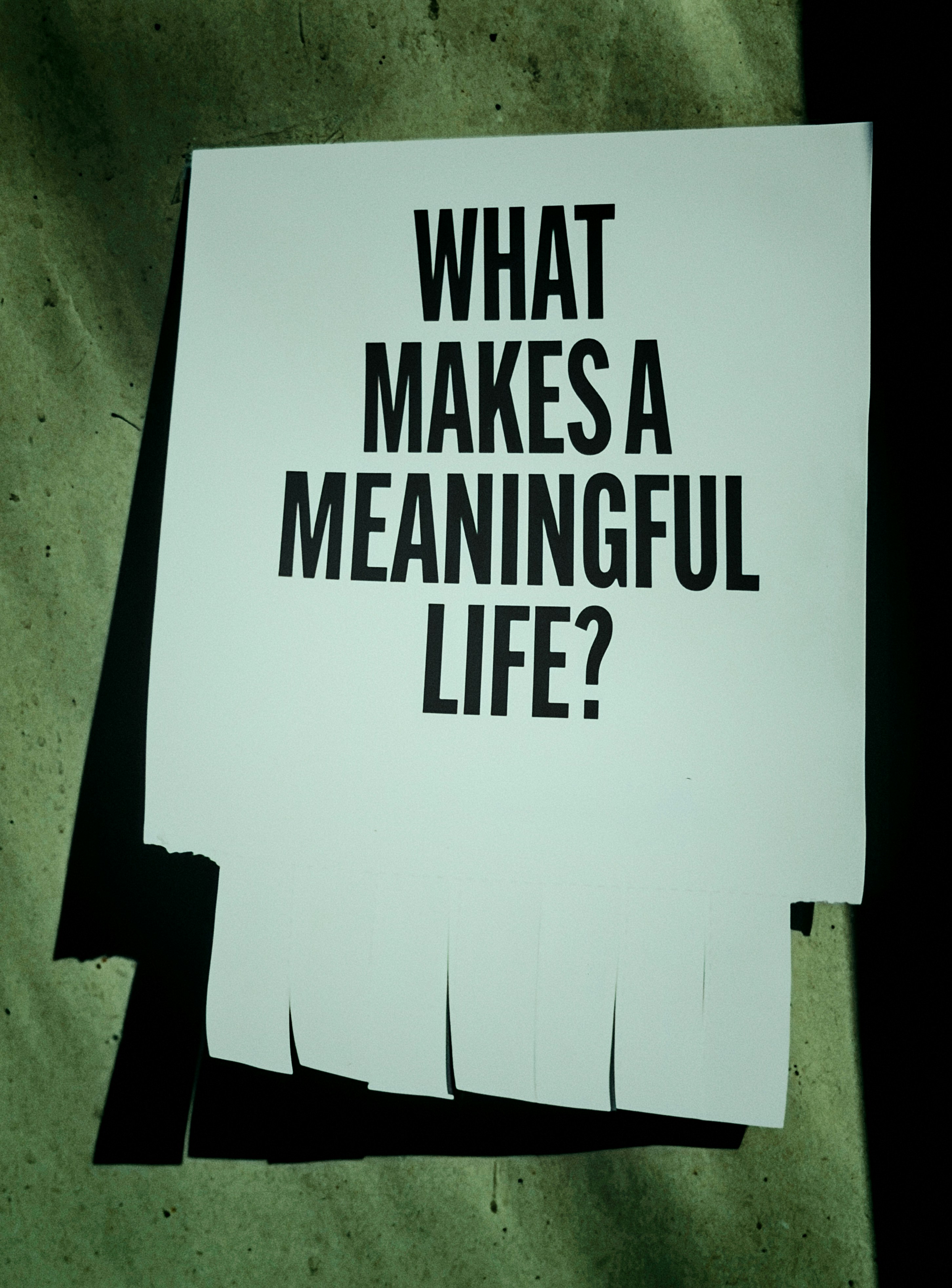
Create Fullness. Reduce Friction.
Imagine you are on a mountain trip and you are carrying a backpack. Some things inside are essential. Others have been sitting there for so long that you've forgotten they're even there. You don't climb higher by carrying unnecessary weight. You climb higher by reducing not needed stuff.
The same is true for everyday life.
Simple living isn't about removing everything from your schedule.
It's about choosing what deserves a place in it.
An automated Yes, a postponed decision, trying to meet someone else’s’ expectations, the distraction that is provided by scrolling on social media, … (fill in the blank)
They all take up space. And space is one of your most valuable resources.

Space Is an Active Choice
Many people wait for life to become calmer so that they would finally change something:
After this project. After the holidays. After the children are older. After things finally settle down.
But life has a remarkable way of replacing one busy season with another.
If you're waiting for space to appear, you may be waiting a long time.
Space isn't something life hands to us.
It's something we create.
One decision at a time.
One boundary at a time.
One intentional choice at a time.
Not because we're trying to escape life. Because we want to be fully present in it.
A Different Question
Instead of asking, "How can I do less?"
Try asking, "What creates unnecessary friction in my life?"
That single question shifts the conversation.
It moves the focus away from sacrifice and toward intention.
Because creating space isn't about giving up the things that matter.
It's about making sure they still have room to matter.
Now, here's your chance to practice:
This week, practice CHOOSING.
Whenever something asks for your time, energy or attention, pause for a moment, breathe and ask yourself:
Is this creating fullness—or is it creating friction?
Don't rush to change everything. Simply begin to notice the difference. You may discover that some of the heaviest things you're carrying were never yours to begin with.
Looking Ahead
Now that we've explored what creates space, the next question becomes practical:
How do we create more of it in everyday life?
In the next article, we'll look at small, intentional habits that reduce mental clutter and help you create more space—one moment at a time.